
Emerging Trends in Veteran Housing Solutions in Florida
SM
Understanding the Need for Innovative Housing Solutions
As the veteran population in Florida continues to grow, the demand for effective and sustainable housing solutions becomes more pressing. Veterans often face unique challenges when transitioning back to civilian life, including finding affordable and stable housing. Addressing these needs requires innovative approaches and collaborations between public and private sectors.
Florida, with its warm climate and extensive veteran community, is at the forefront of developing new housing models. These models aim to provide not just shelter but also supportive services that promote well-being and community integration.
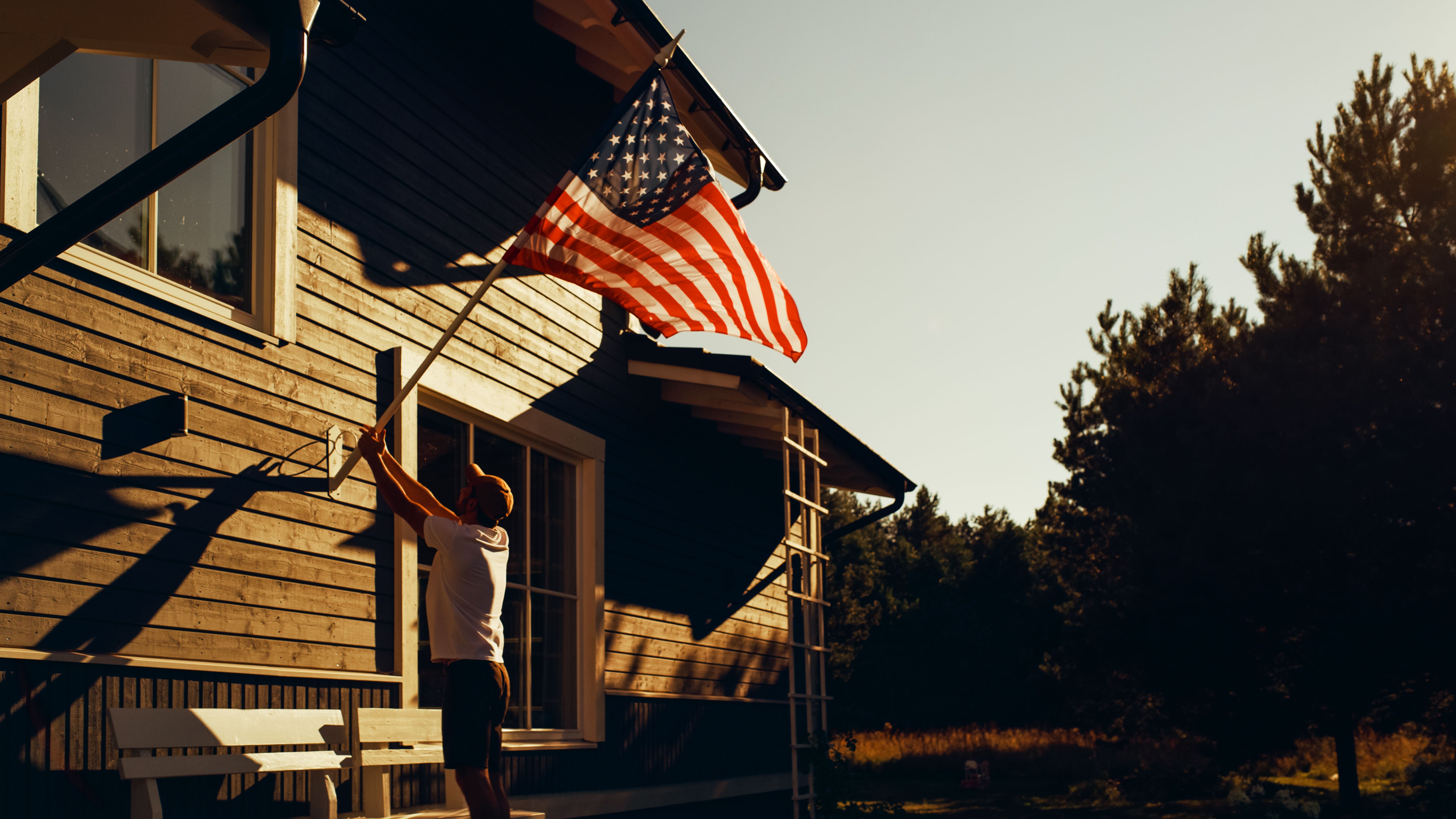
Affordable Housing Initiatives
One major trend in veteran housing solutions is the focus on affordability. Many veterans live on fixed incomes, making it difficult to afford market-rate housing. To combat this, Florida has been implementing various affordable housing initiatives.
These initiatives often involve partnerships with nonprofit organizations and local governments to build and maintain affordable housing units. By leveraging federal and state funding, these projects aim to reduce housing costs for veterans, ensuring they have a safe and stable place to call home.
Another housing model gaining momentum is co-living, which can be especially impactful for veterans who do not qualify for traditional housing assistance yet are still at risk of homelessness. Co-living can include both shared and private room options, with veterans residing in the same home and sharing common living spaces.
This model not only provides a safe and stable place to call home, but also helps address the isolation many veterans experience. By living alongside other veterans, residents are able to reconnect with the sense of camaraderie and mutual support they knew during their service. Co-living fosters a renewed sense of community—one that offers both social connection and emotional stability.

Supportive Housing Models
Supportive housing is another emerging trend gaining traction in Florida. These models combine housing with essential services, such as mental health support, job training, and healthcare access, tailored to the needs of veterans.
Supportive housing not only provides a roof over veterans' heads but also addresses the root causes of homelessness, helping them achieve long-term stability. Programs often feature collaboration with social service agencies to ensure comprehensive support.

Embracing Technology in Housing Solutions
Technology is playing a pivotal role in modernizing veteran housing solutions. From smart home technologies that enhance living conditions to digital platforms that streamline access to services, technology is making a significant impact.
For instance, smart home features can assist veterans with disabilities, providing greater independence and comfort. Additionally, digital platforms can facilitate better communication and coordination between service providers and veterans.
Community-Based Approaches
Community integration is essential for the well-being of veterans. Florida is seeing a rise in community-based housing solutions that focus on fostering connections among veterans and the broader community.
These approaches often include community centers, shared spaces, and events that encourage social interaction. By building strong community ties, veterans can experience a sense of belonging and support.
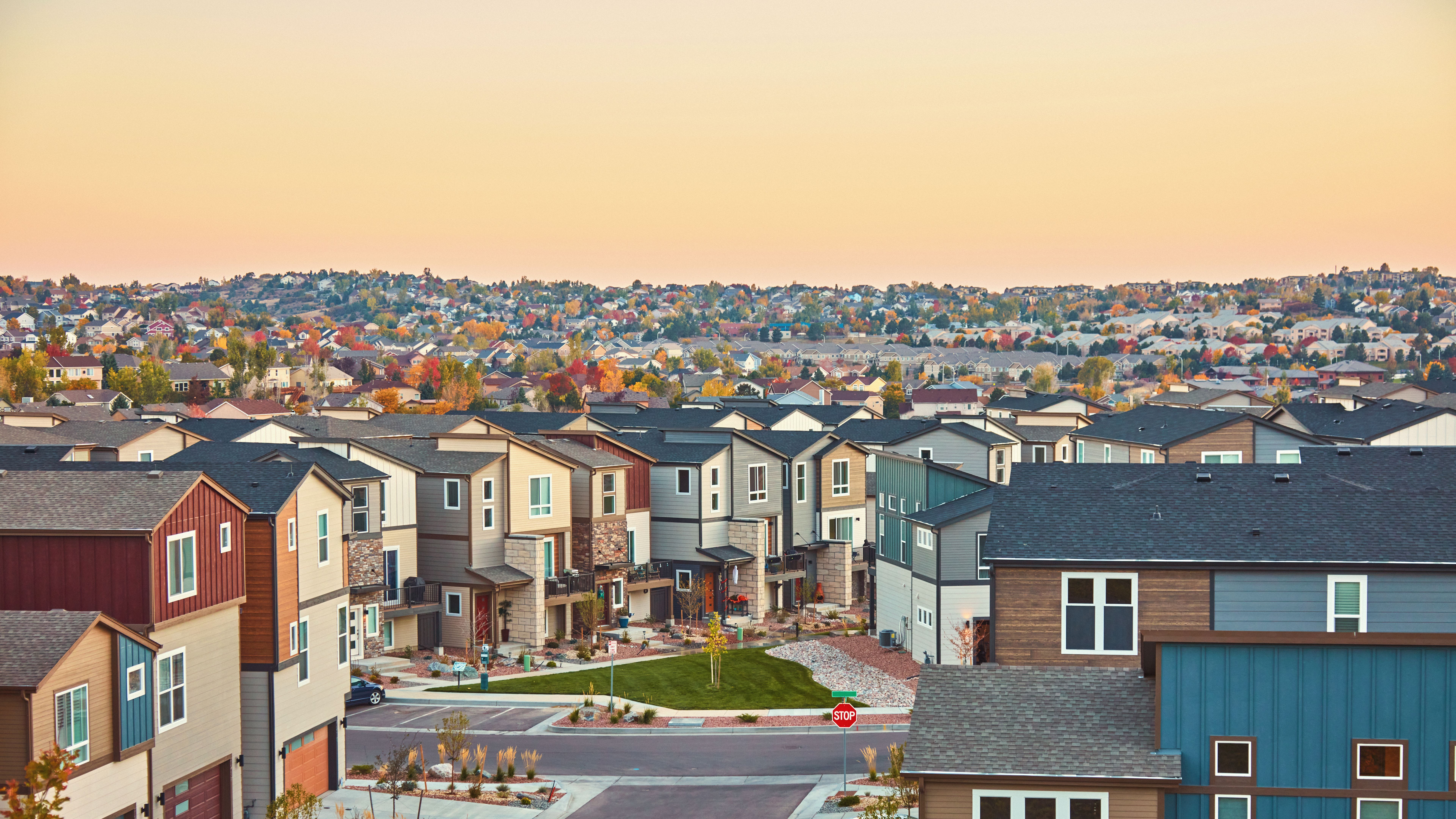
Conclusion: A Path Forward
Florida's efforts in developing emerging trends in veteran housing solutions are paving the way for a brighter future. By focusing on affordability, supportive services, technology, and community, these initiatives are creating sustainable and impactful changes for veterans.
The continued collaboration between government agencies, nonprofits, and private sectors is crucial. By working together, these entities can ensure that veterans receive the housing and support they deserve, helping them thrive in their post-service lives.